
Project
Ōtautahi Organics Processing Facility
Case study
Project overview
The Ōtautahi Christchurch Organics Processing Facility is a landmark renewable energy project that will change how organic waste is managed across Canterbury.
Once operational in early 2027, the facility will process up to 100,000 tonnes of organic waste each year, transforming food and green waste into renewable energy and biofertiliser. Developed by Ecogas, the fully enclosed facility replaces legacy composting operations and sets a new standard for environmentally responsible organics processing in New Zealand.
The challenge
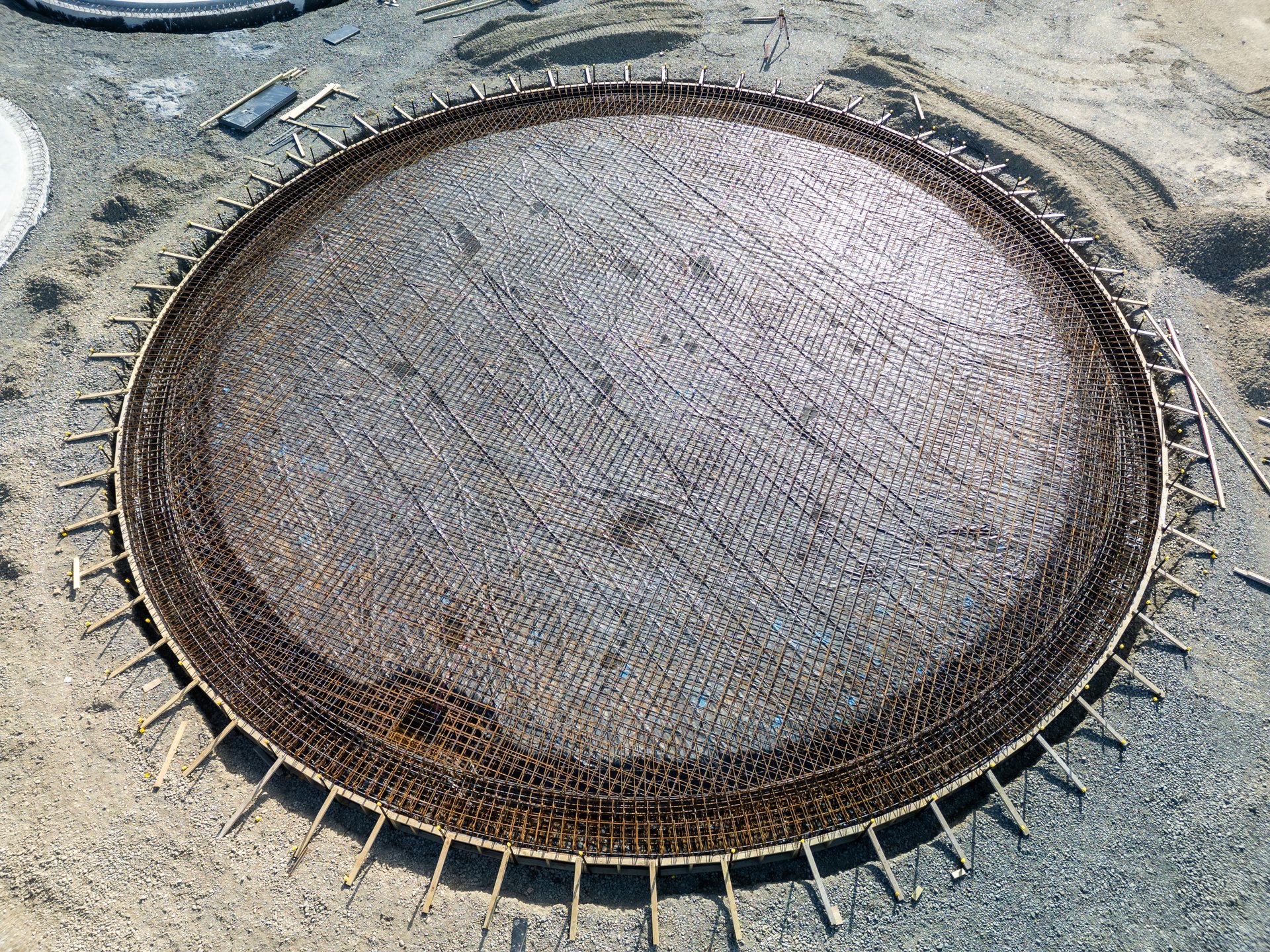
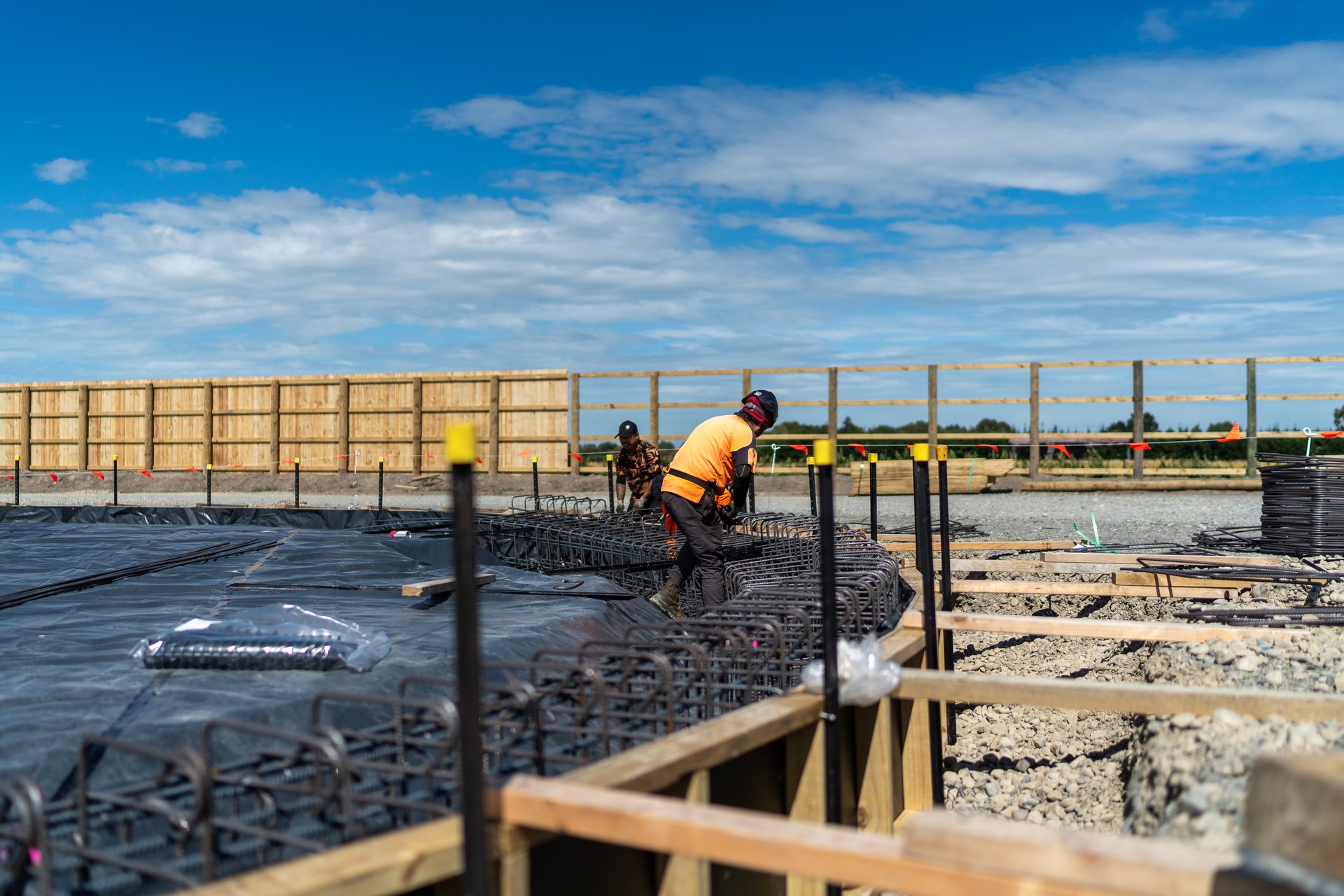
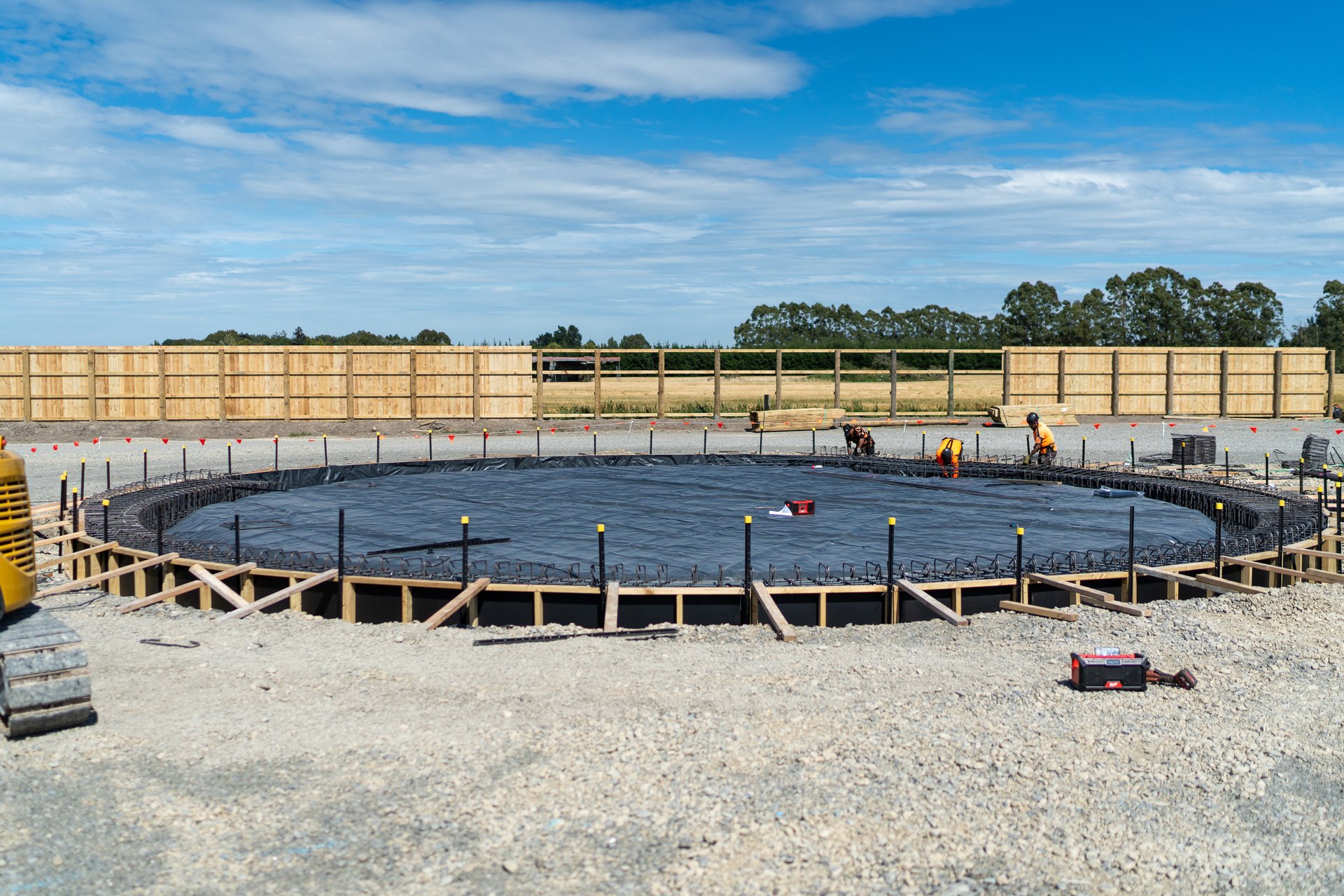
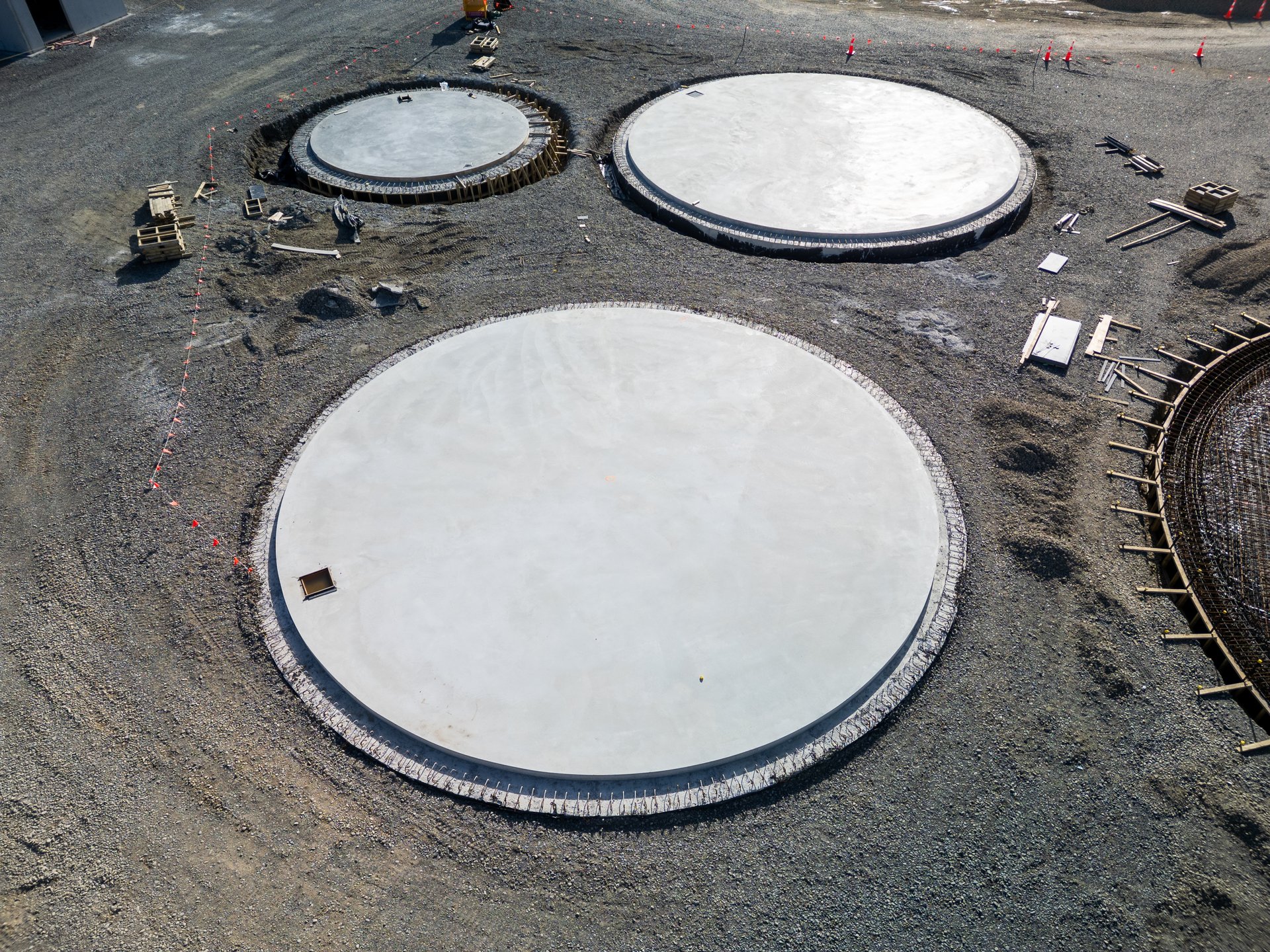
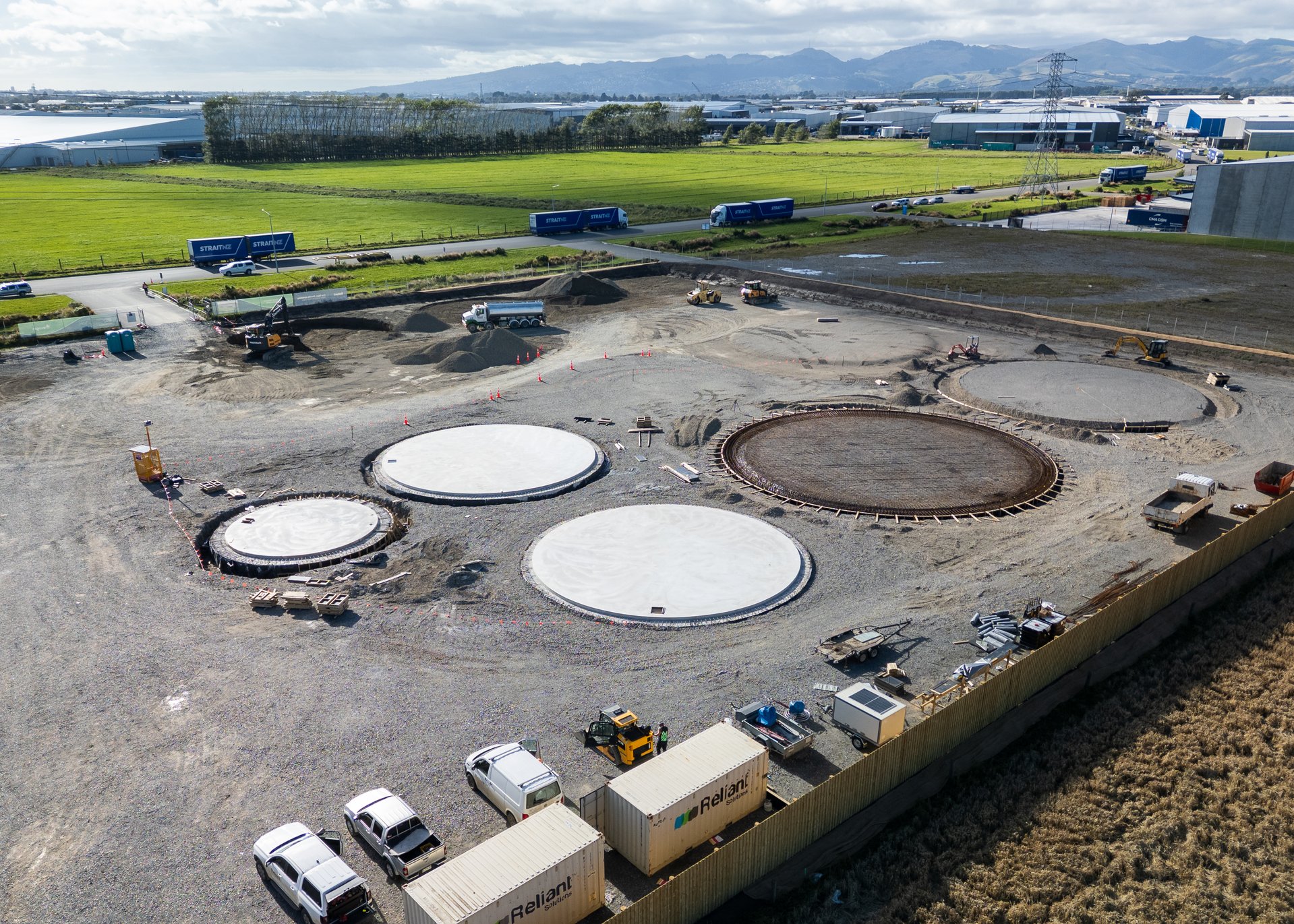
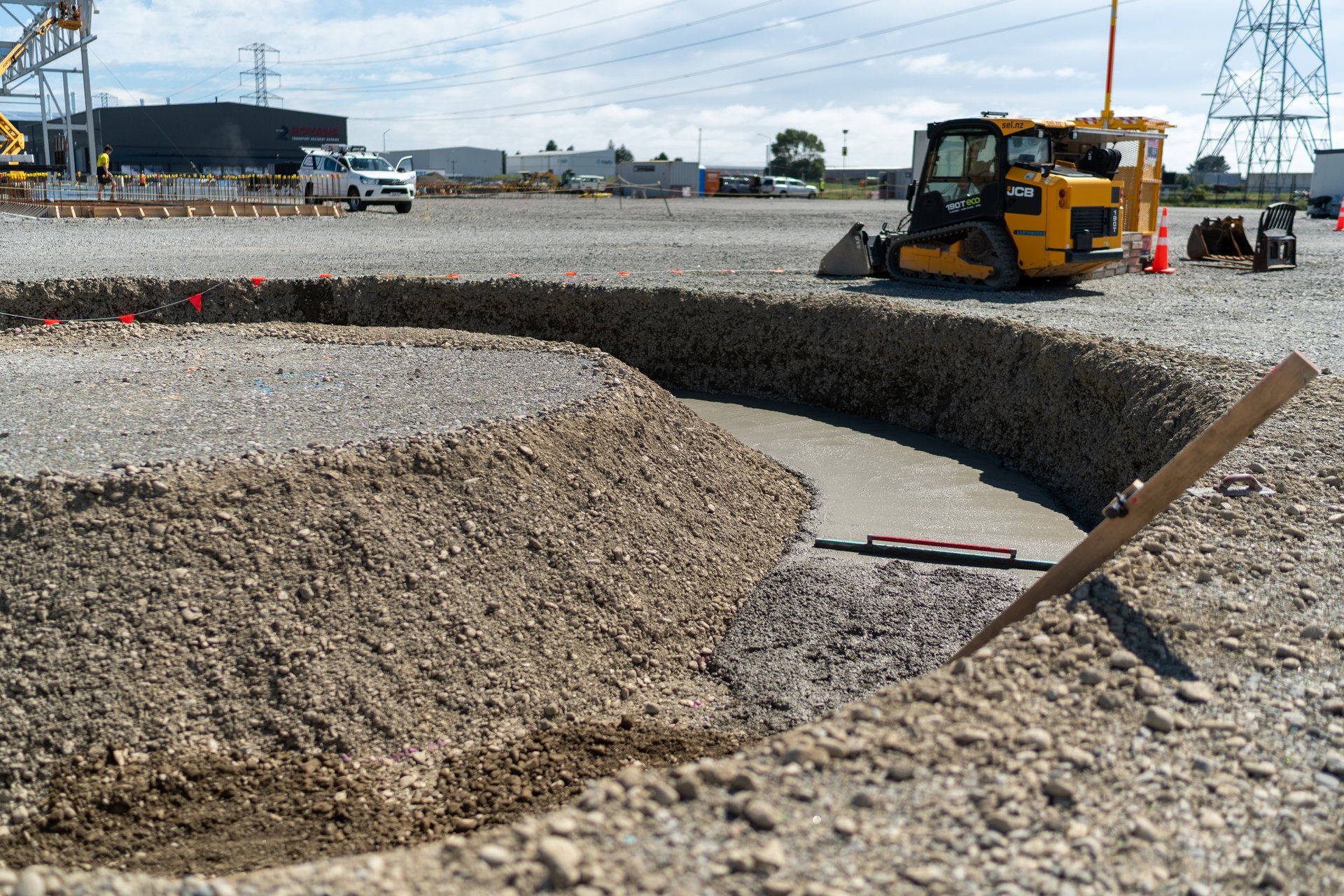
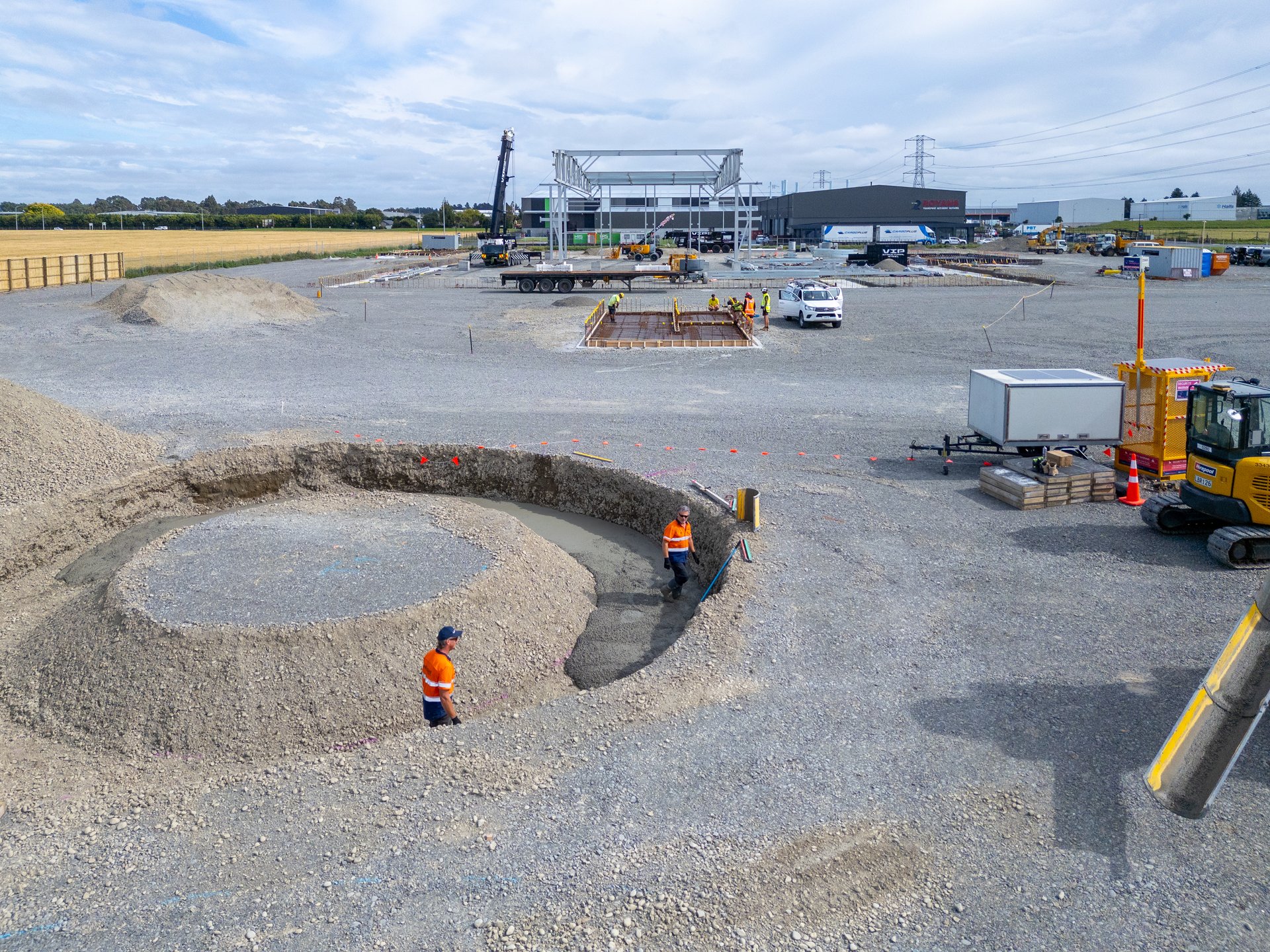
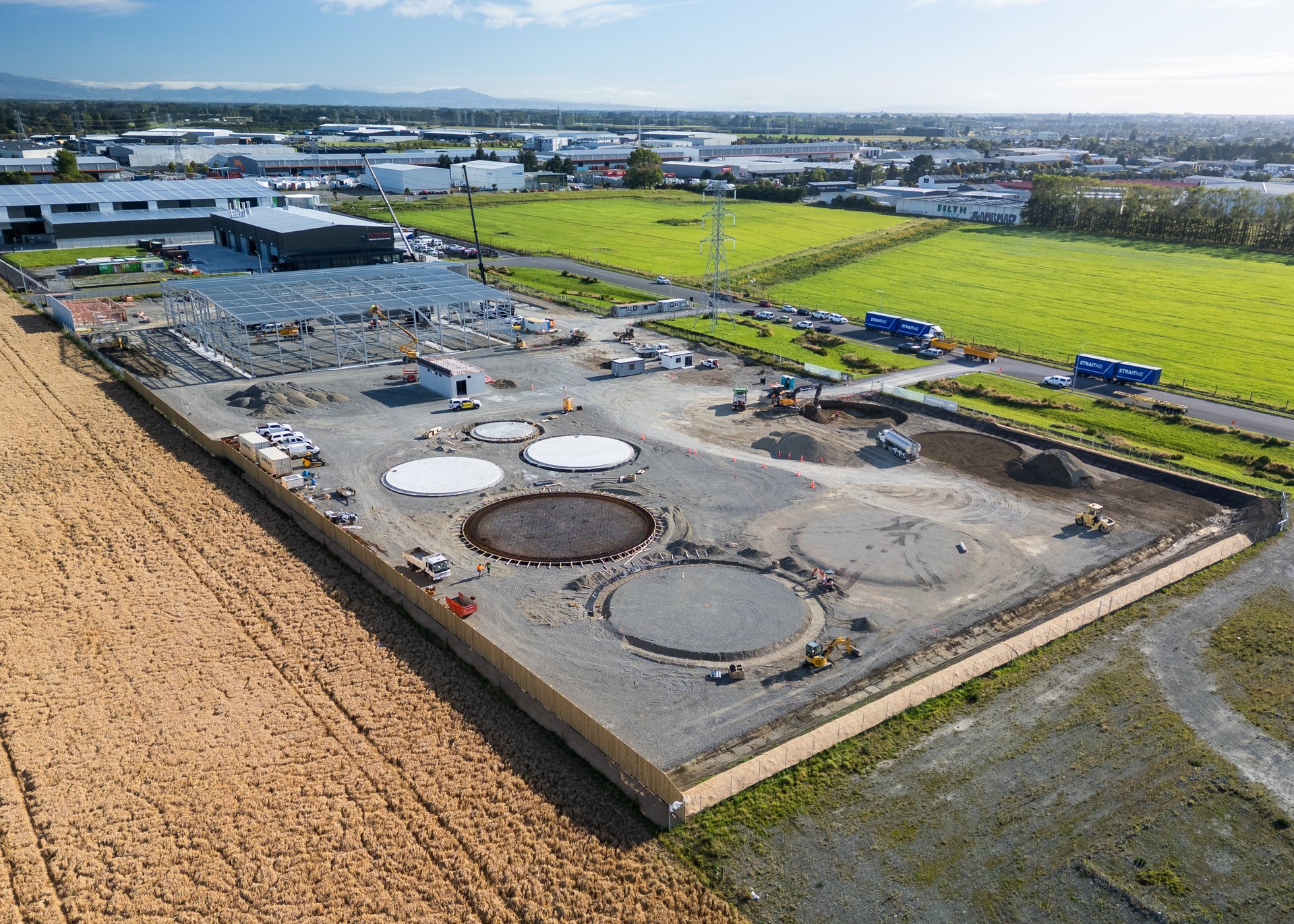
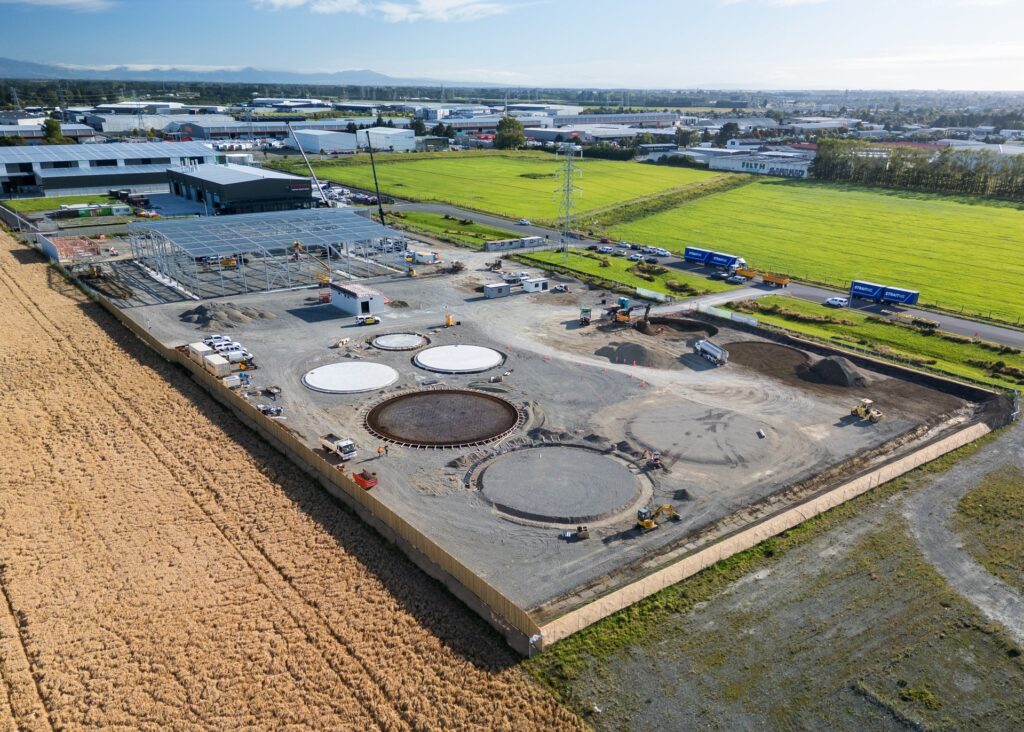
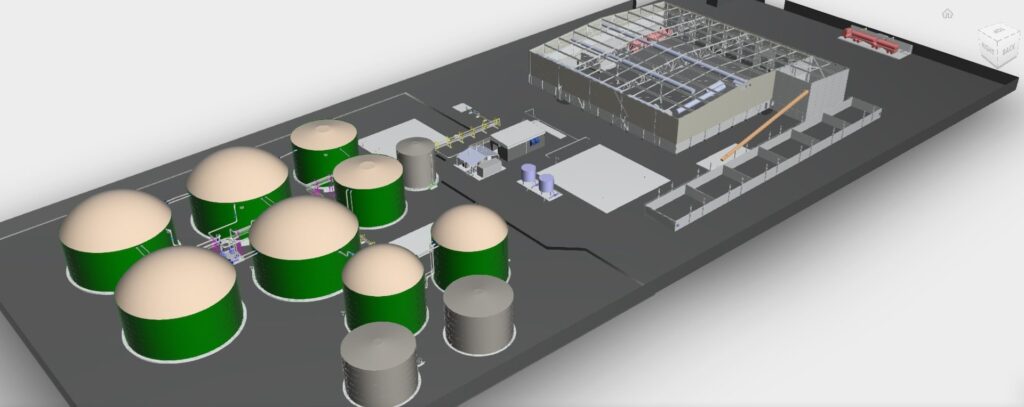
Reliant Solutions is proud to be fabricating and constructing 11 process tanks for this nationally significant project.
The tanks form a critical part of the plant’s anaerobic digestion system, providing the controlled environment required to safely and efficiently process organic material at scale. Designed for durability, hygiene, and long service life, the tanks are central to the facility’s long‑term performance and reliability.
Project Details
Client
Ecogas
Location
Christchurch, New Zealand
Sector
Renewable Energy
What is Anaerobic Digestion?
Anaerobic digestion is a natural biological process that breaks down organic material in the absence of oxygen. At the Christchurch facility, organic waste will be processed inside enclosed Reliant Solutions Stainless Steel tanks where microorganisms convert it into biogas, a renewable energy source, and digestate, a nutrient‑rich biofertiliser.
Because the process is fully enclosed and carefully controlled, anaerobic digestion significantly reduces odour and emissions while recovering valuable energy and nutrients from waste that would otherwise go to landfill.
Engineering for a Circular Future
This project reflects Reliant Solutions’ commitment to delivering high‑integrity process infrastructure that supports sustainable outcomes. By enabling organic waste to be converted into renewable energy and useful by‑products, the facility will play an important role in reducing emissions, improving resource efficiency, and supporting a circular economy for the Canterbury region.